
Disarmed: How Dictatorships Strip Societies of Gun Rights, Group by Group. A Six Part Series By Terry Bourn

Introduction: When the Guns Go Silent
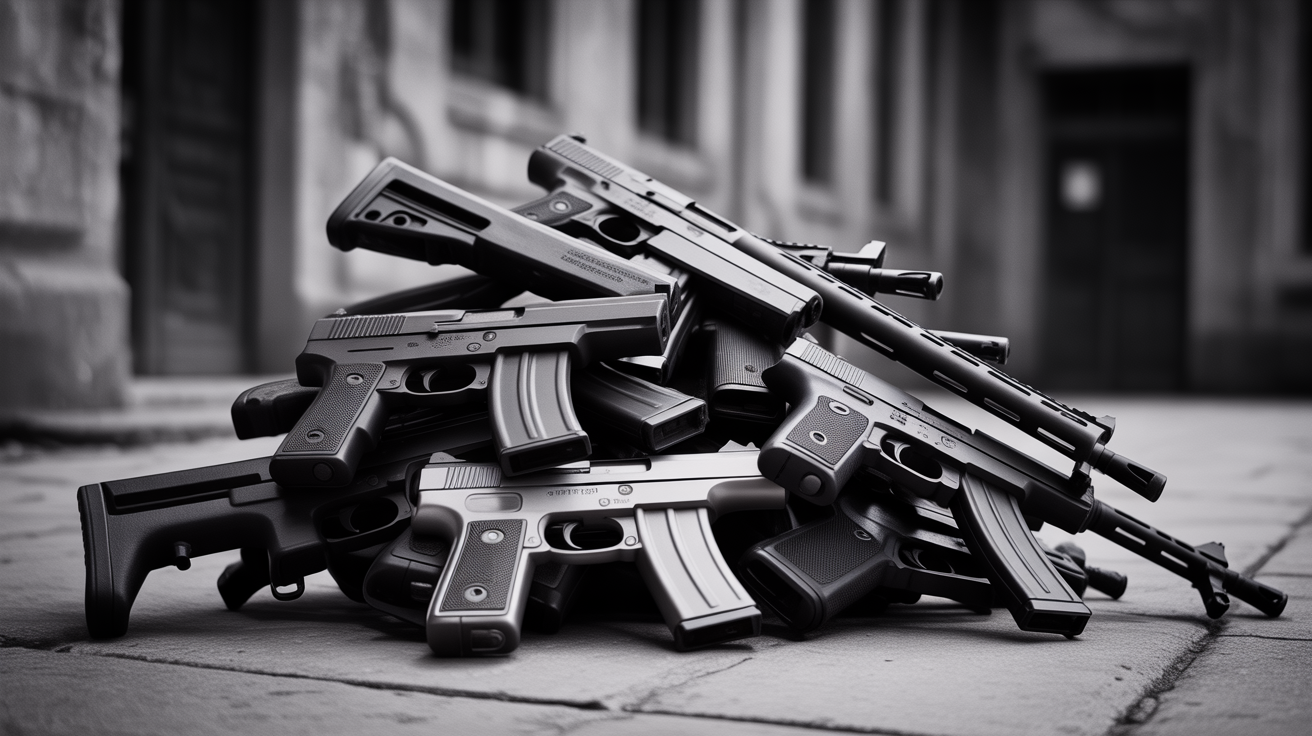
Across continents and ideologies, the first order of business for every new dictatorship is startlingly predictable. No matter the flag—red, black, or green—the moment power is seized, laws change. Registration lists become the roadmap for police raids. Guns “for public safety,” the authorities announce, must be surrendered.
Sometimes the measures are clothed in the language of peace: “No one needs a weapon now—the government will protect you.” More often, the directives are blunt: registrations revoked, weapon ownership redefined as “counterrevolutionary,” criminal, even treasonous. The penalties escalate from fines to imprisonment, then to the sudden, wordless knock on a door at midnight.
Throughout the 20th and early 21st centuries, as fascist, communist, and other authoritarian regimes swept to power, a universal pattern emerged. Who lost their rights first? How fast did the clampdown come? Why were some classes and groups always first to be disarmed, and what scars did it leave behind?
This series explores that global, tragic pattern—country by country, decade by decade—revealing a sobering historical truth: When governments turn dark, civilian gun rights are not a footnote, but a first chapter.
Part 1: Nazi Germany—A Blueprint for Disarmament
Setting the Stage: Crisis and Consolidation
January 30, 1933: Adolf Hitler becomes Chancellor of Germany. The country is in turmoil, battered by economic crisis and political chaos. Within months, the Reichstag Fire opens the door to emergency decrees. The Nazis’ grasp tightens swiftly, but their ambitions are even bolder: control every aspect of society, from speech to religion—and, crucially, to self-defense.
From Weimar Freedom to Nazi Exclusion—How Laws Changed
Already, Germany’s Weimar Republic (1918–1933) had strict gun laws—registration, licensing, restrictions on “undesirables.” But the Nazi regime weaponized these rules with frightening speed:
- March 18, 1933: The new _Waffengesetz_ (Weapons Law) builds on the Weimar permit system. Police are now empowered to grant—or revoke—weapon permits at will, targeting not just criminals but “suspect persons,” including communists, trade unionists, and Jews.
- 1935: The Gestapo quietly orders that Jews must no longer be issued any firearm licenses or permits for ammunition.
- March 18, 1938: A sweeping new Weapons Law codifies the two-tier society: “Aryans” (read: loyalists and Nazi party members) gain easier access to rifles and handguns. Opponents—Jews, Roma, LGBTQ+ “undesirables”—see their last legal paths to armed self-defense disappear.
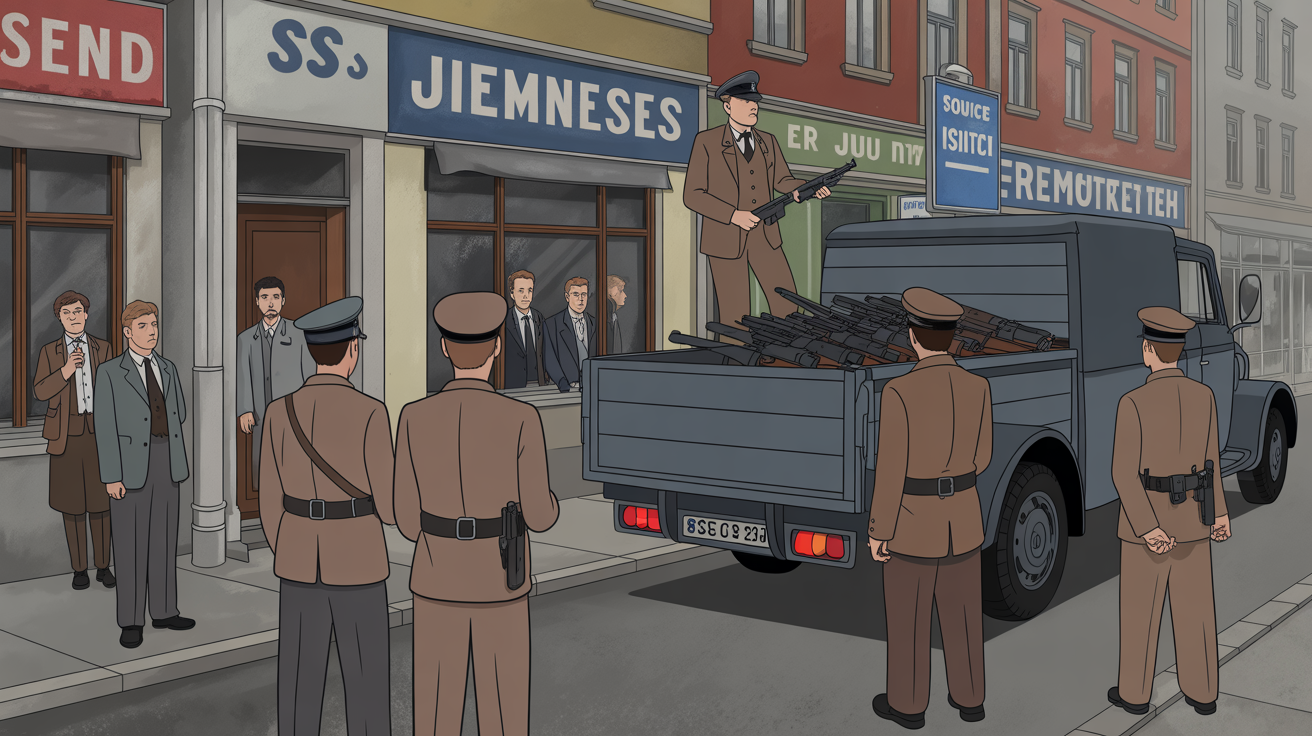
- November 11, 1938 (Post–Kristallnacht): _Verordnung gegen den Waffenbesitz der Juden_: All Jews are explicitly banned from possessing firearms, ammunition, or even knives. Police raids sweep across Jewish homes and businesses. Noncompliance results in arrest, deportation, and, soon after, genocide.
Who Was Affected—And Who Was Exempt
The new gun laws were never neutral.
- First to lose arms: Jews, Roma, and political dissidents.
- Later: Any “unreliable” segment of German society—foreigners, the disabled, or anyone accused by a neighbor of anti-regime sentiment.
- Exempt: Nazi party officials, SS, SA, police, and “loyal,” racially acceptable (Aryan) hunters—provided they toed the party line.
Enforcement: Lists, Raids, Punishments
In survivor memoirs and community histories, a harrowing pattern emerges:
- Registration lists—originally intended for “public order”—make door-to-door raids rapid and efficient.
- Noncompliance—or even suspicion—leads to confiscation, beatings, prison, or worse.
- Neighbors and colleagues, primed by propaganda and fear, become informants.
Testimonial:
“The police came at 2 in the morning. They had a list; all my father’s documents were in order, but it did not matter. We were Jews. He was taken away.”
— _Survivor, Berlin, 1938_ (USHMM archives)
The Social Repercussions
- Dissent and resistance collapse. Jewish communities, once vibrant and self-reliant, face their fate isolated and unarmed.
- Regime loyalists are emboldened; neighbors come to fear each other.
- Cultural memory: For decades after the Holocaust, survivors cite disarmament as the final act of alienation before deportation.
The Legacy
The disarmament was not simply a matter of regulation; it was a prerequisite for genocide. The regime’s faith in gun lists, police powers, and the legal fiction of “public safety” left an indelible scar on German—and world—history.